
Expert Insights: Innovative Waterproofing Solutions for Complex Buildings
Innovative Waterproofing: A Necessity for Modern Architecture
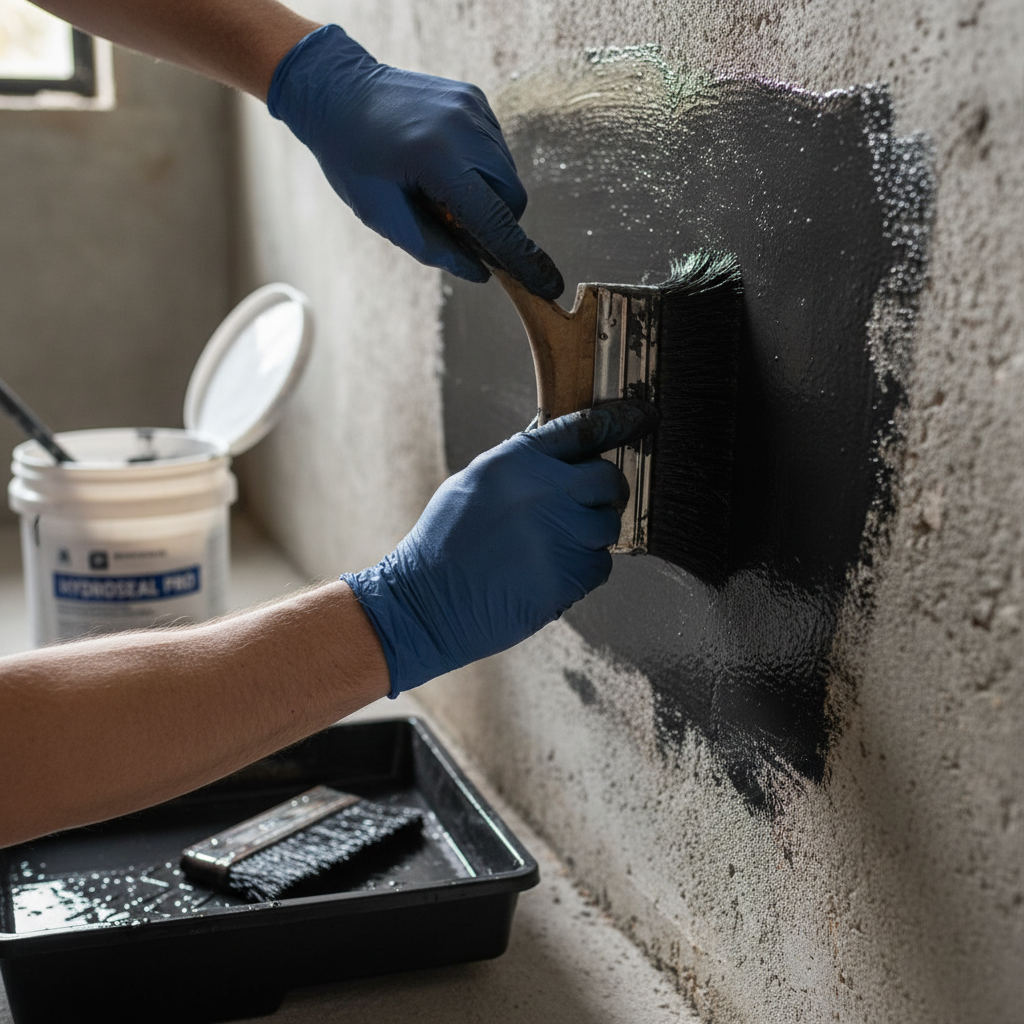
In the realm of modern architecture, the demand for complex and aesthetically pleasing designs is rising. However, these intricate structures often present unique challenges, especially when it comes to waterproofing. Waterproofing solutions have evolved significantly, offering architects and builders the tools they need to protect buildings from water damage.
Water intrusion can have severe consequences, leading to structural damage, mold growth, and deterioration over time. Therefore, implementing effective waterproofing strategies is crucial for maintaining the integrity and longevity of any building.
Understanding Modern Challenges in Waterproofing
Complex Architectural Designs
Today's architectural wonders feature bold curves, unique angles, and unconventional materials. While these elements enhance visual appeal, they also create vulnerabilities where water can infiltrate. As such, waterproofing systems must be adaptable and robust to accommodate these complexities.
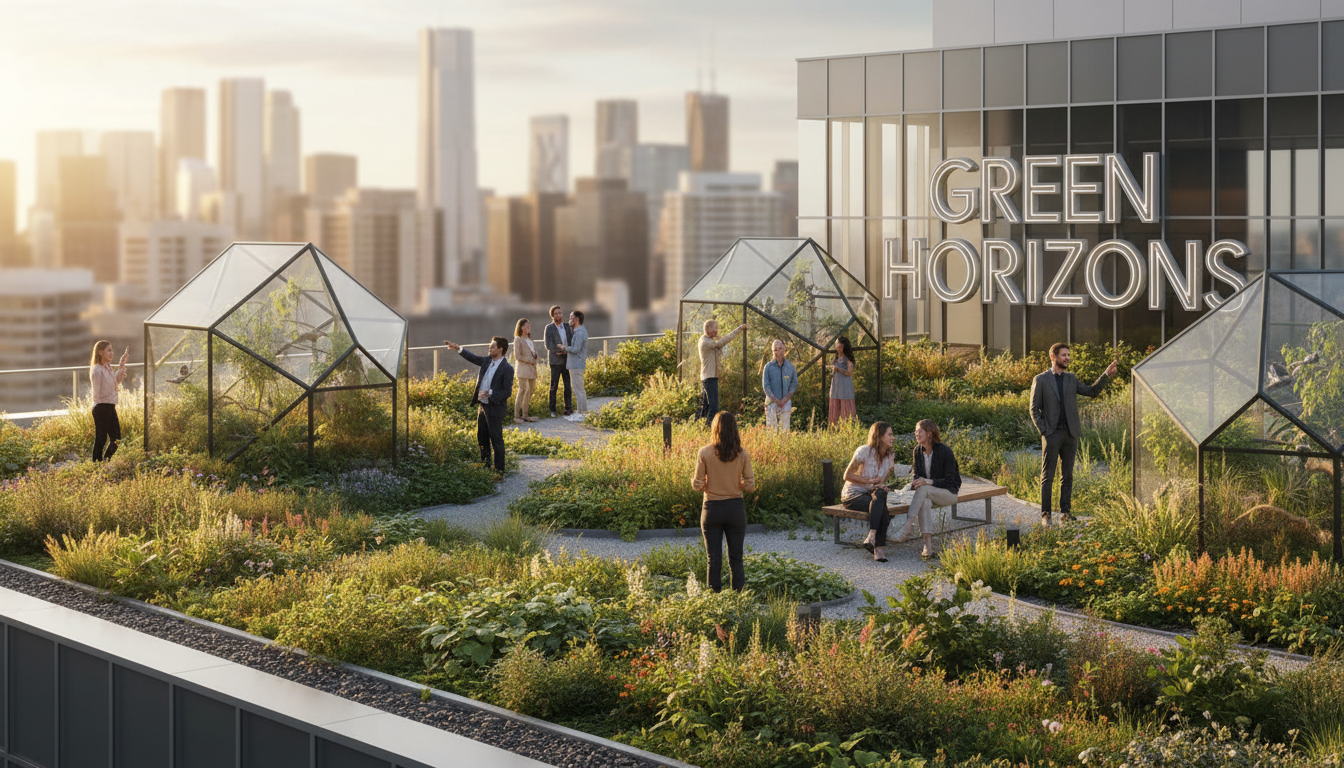
For instance, green roofs and rooftop gardens have grown in popularity. While they provide environmental benefits, they also require specialized waterproofing solutions to prevent water from seeping into the structure below.
Climate Change and Its Impact
With climate change leading to more extreme weather patterns, buildings now face greater exposure to heavy rainfall and flooding. This shift necessitates advanced waterproofing solutions that can withstand such conditions, ensuring the safety and durability of structures in the long term.
Flood barriers, advanced sealants, and intelligent drainage systems are some of the innovations that have been developed to combat these environmental challenges.
Exploring Cutting-Edge Waterproofing Technologies
Advanced Membrane Systems
One of the most effective solutions in modern waterproofing is the use of advanced membrane systems. These systems provide a seamless barrier against water, offering flexibility and durability. They can be applied to a variety of surfaces, ensuring that even the most complex designs remain protected.

Nanotechnology in Waterproofing
Nanotechnology is revolutionizing waterproofing by enhancing the properties of traditional materials. Nano-coatings can repel water at a microscopic level, providing an almost invisible layer of protection. This innovation is particularly beneficial for preserving the appearance and functionality of historic buildings.
Moreover, nanotechnology can be integrated with other systems to create smart waterproofing solutions that adapt to changing environmental conditions.
The Future of Waterproofing in Architecture
The future of waterproofing in architecture is promising, driven by continuous innovation and technological advancements. As buildings become more complex and environmental challenges more pressing, the industry is poised to develop even more sophisticated solutions.
Collaboration between architects, engineers, and waterproofing specialists will be essential in creating buildings that are not only visually stunning but also resilient to water damage. This synergy will pave the way for sustainable, long-lasting structures that meet the demands of modern architecture.