
The Ultimate Guide to Flat Roof Waterproofing in Nova Scotia
Flat roofs are a popular choice for many buildings in Nova Scotia due to their modern aesthetic and efficient use of space. However, one of the key challenges they face is effective waterproofing. Without proper protection, flat roofs are susceptible to leaks and water damage, which can lead to costly repairs.
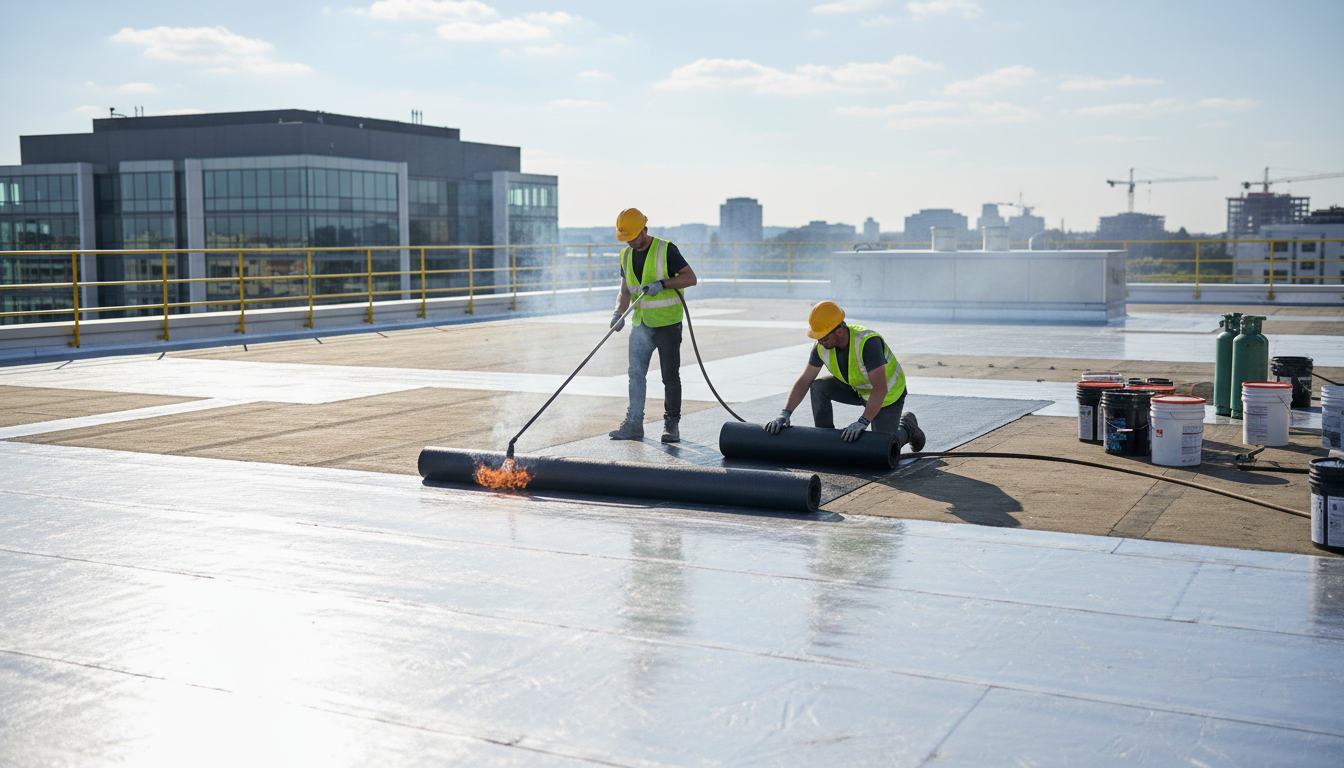
Understanding Flat Roof Waterproofing
Waterproofing is essential for flat roofs because their low slope means water doesn't naturally run off as quickly as on pitched roofs. Proper waterproofing ensures that your roof is protected from the harsh elements, including heavy rain and snow common in Nova Scotia.
Why Flat Roofs Need Special Attention
Flat roofs require special attention because of their unique structure. The lack of slope can cause water to pool, increasing the risk of leaks. It's crucial to use quality materials and techniques to ensure longevity and durability.
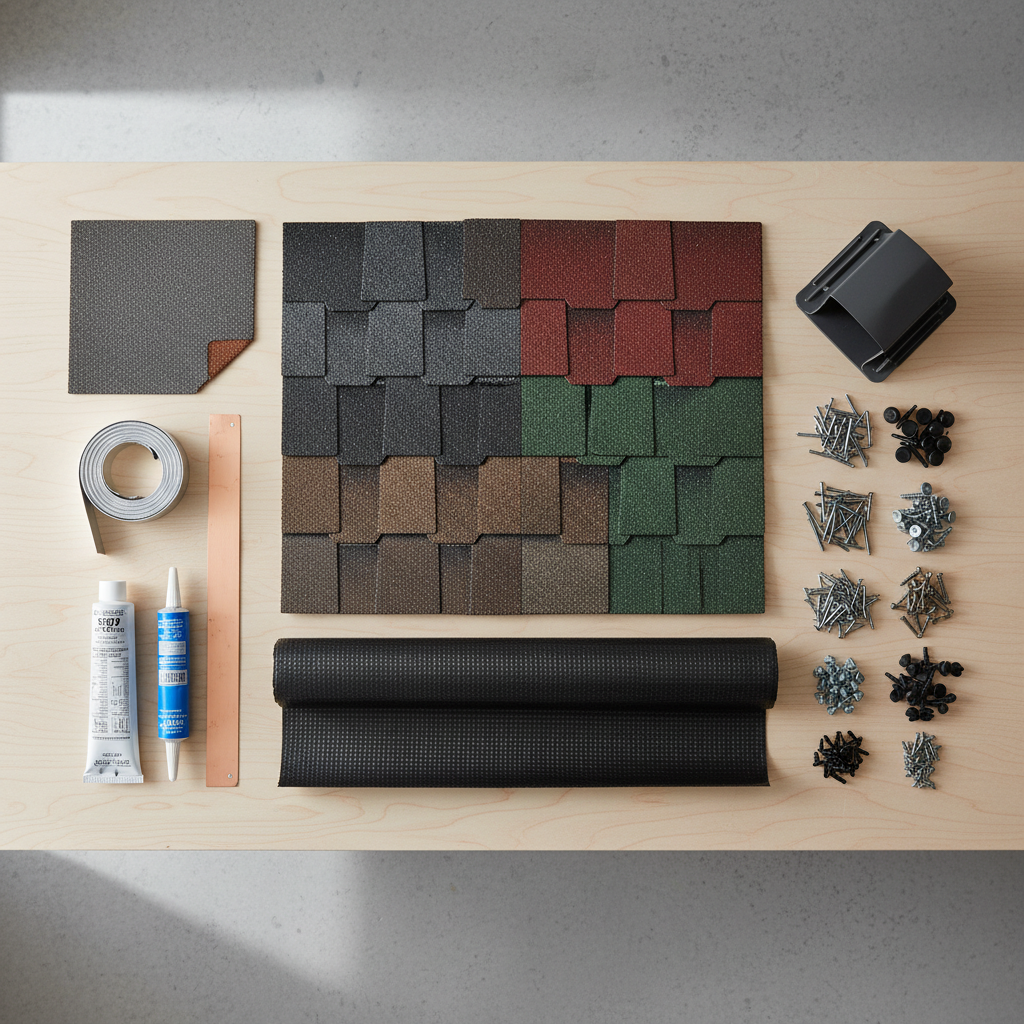
Types of Waterproofing Materials
There are several materials available for flat roof waterproofing, each with its own benefits. Some of the most popular options include:
- EPDM Rubber: Known for its durability and flexibility, EPDM is a synthetic rubber membrane that is easy to install.
- TPO: Thermoplastic polyolefin is a single-ply roofing membrane known for its energy efficiency and heat-reflective properties.
- Modified Bitumen: This material is made from asphalt and offers excellent waterproofing capabilities.
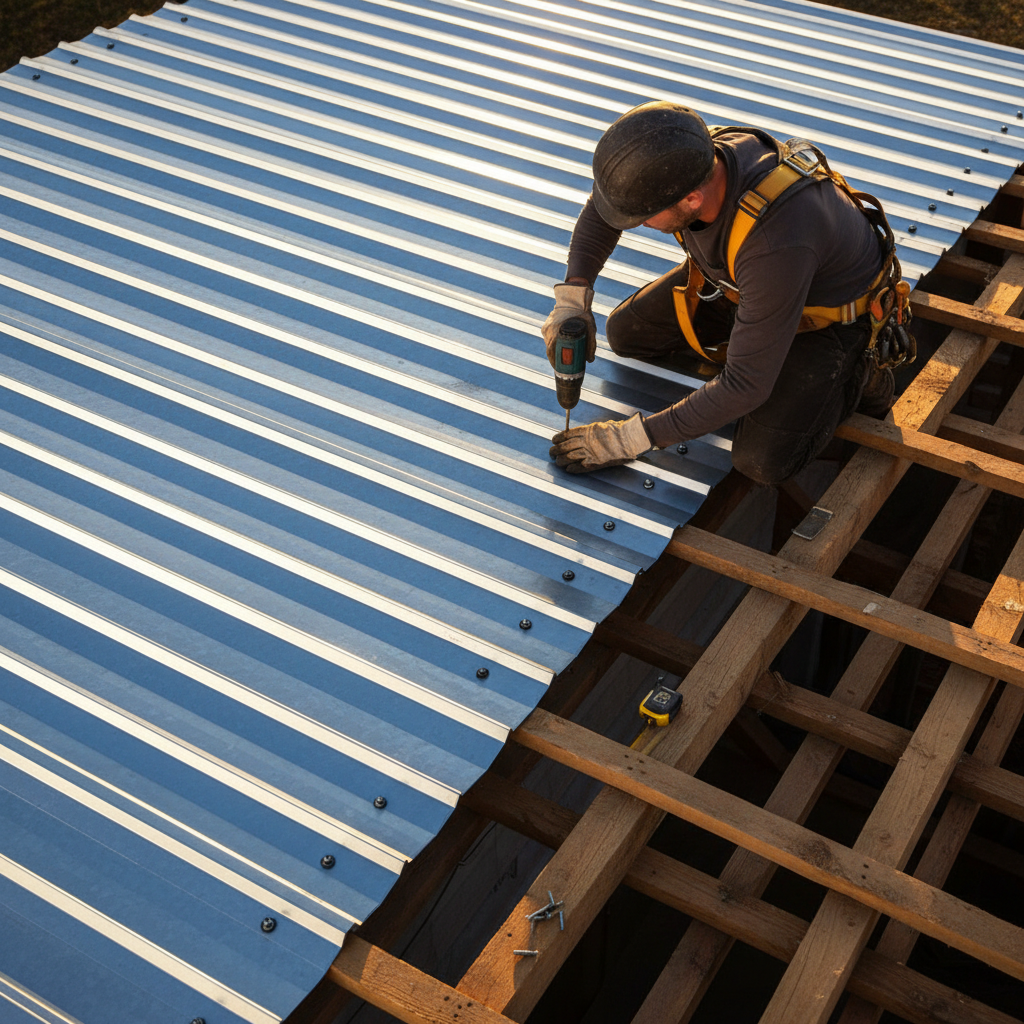
Installation Process
Proper installation is critical for effective waterproofing. Here is a general outline of the process:
- Inspection: Begin with a thorough inspection of the roof to identify any existing damage or weak spots.
- Surface Preparation: Clean and prepare the surface to ensure the waterproofing material adheres properly.
- Application: Apply the chosen waterproofing material according to the manufacturer's instructions.
- Sealing: Seal all seams and edges to prevent water infiltration.
Maintenance Tips
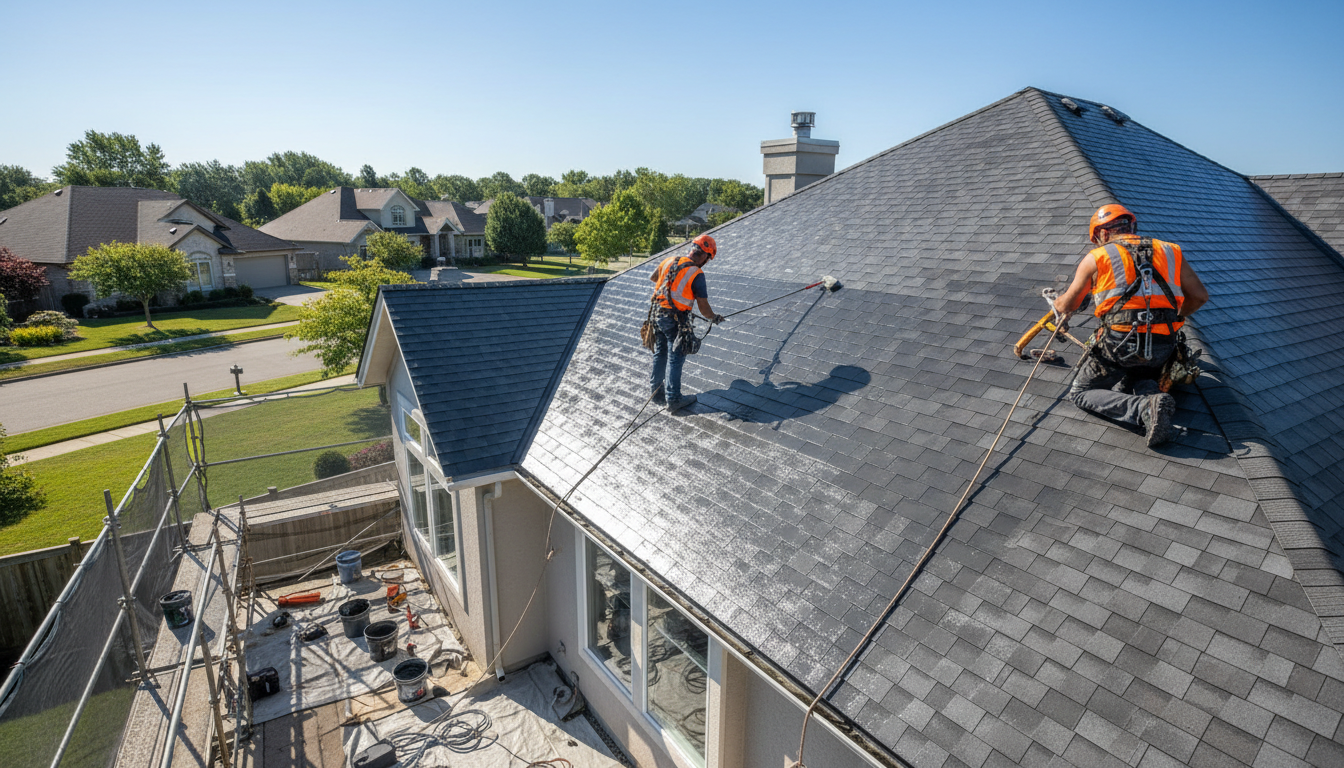
Regular maintenance is crucial to keep your flat roof in top condition. Here are some tips:
- Regular Inspections: Schedule routine inspections, especially after severe weather, to catch any potential issues early.
- Clearing Debris: Keep the roof clear of leaves, branches, and other debris that can trap moisture.
- Addressing Damage: Promptly repair any cracks or blisters to prevent them from worsening.
Conclusion
Flat roof waterproofing in Nova Scotia is an essential aspect of building maintenance. By selecting the right materials and ensuring proper installation and maintenance, you can protect your investment and extend the life of your roof. With the right approach, you can enjoy the benefits of a flat roof without worrying about water damage.