
Understanding Nova Scotia's Building Regulations for Waterproofing
Introduction to Nova Scotia's Building Regulations
Understanding the building regulations in Nova Scotia, especially concerning waterproofing, is essential for contractors and homeowners alike. These regulations ensure that buildings are not only safe but also durable and energy-efficient. By adhering to these guidelines, you can prevent water damage, which is one of the most common causes of structural issues.
Importance of Waterproofing
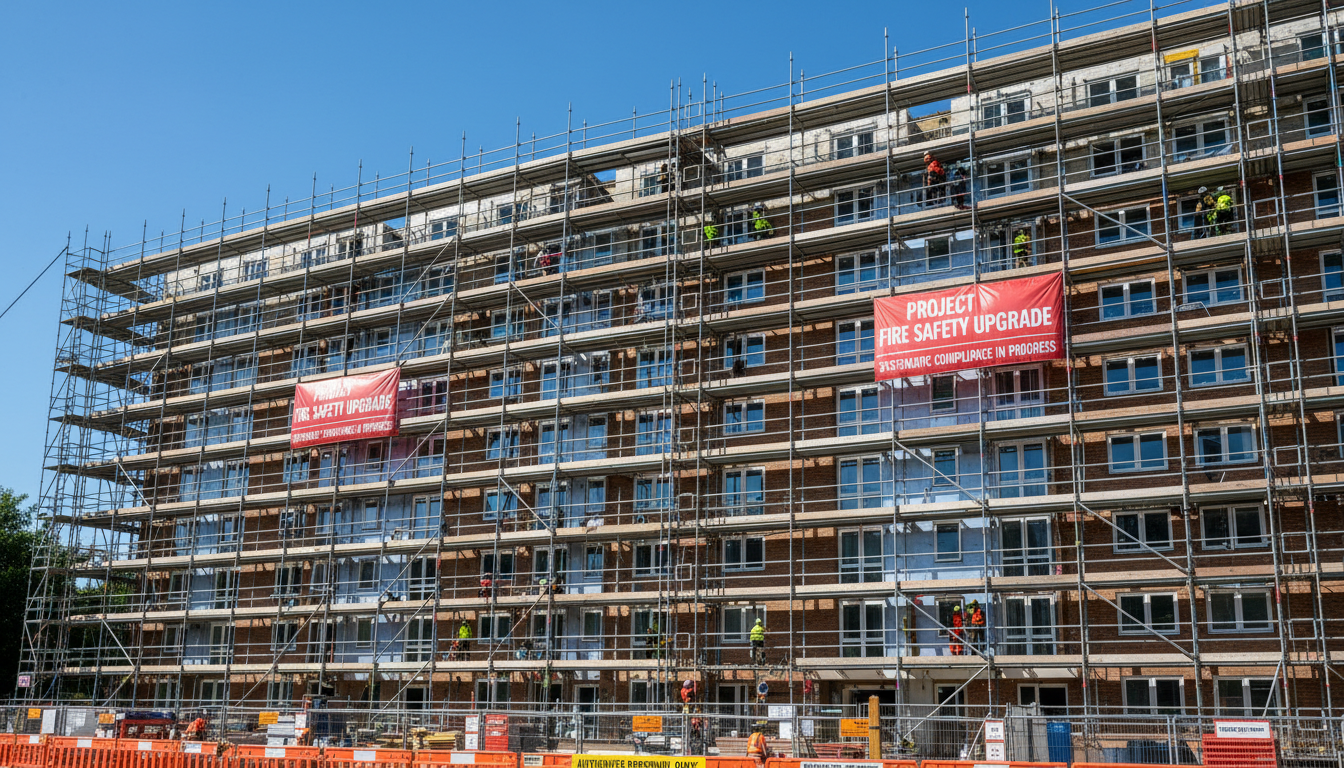
Waterproofing is a critical aspect of construction that protects a building from moisture intrusion. In Nova Scotia, where the climate can be harsh, ensuring that your structure is waterproofed according to the regulations is crucial. Proper waterproofing helps to maintain the building’s integrity and prevents problems such as mold, rot, and rust.
Buildings that fail to meet the waterproofing standards can face severe consequences. These may include structural damage, health hazards due to mold growth, and increased maintenance costs. Hence, complying with waterproofing regulations not only preserves the building but also enhances its value.
Key Regulations for Waterproofing
Nova Scotia's building regulations stipulate several requirements for effective waterproofing. Here are some of the key aspects to consider:
- Materials: Use approved waterproofing materials that comply with local standards.
- Installation: Ensure that waterproofing systems are installed by certified professionals.
- Inspection: Regular inspections are mandatory to ensure the integrity of the waterproofing system.
Approved Waterproofing Materials
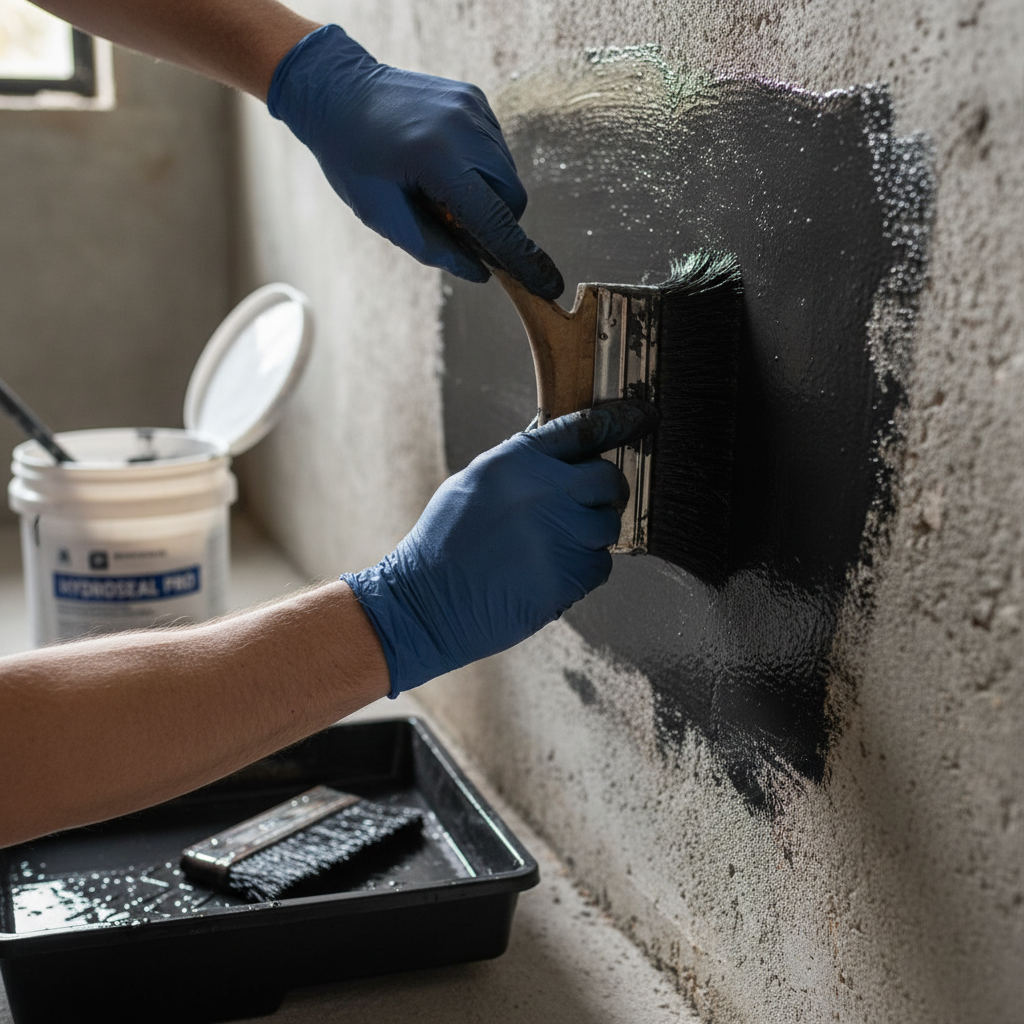
The choice of materials is fundamental in waterproofing. Nova Scotia regulations require the use of specific materials that can withstand the region's climatic conditions. Materials such as membranes, coatings, and sealants need to be tested and approved for use. Choosing the right materials ensures longevity and effectiveness.
Professional Installation
Proper installation is as important as the materials used. The regulations emphasize that waterproofing systems should be installed by professionals who have the necessary expertise and certification. This ensures that the systems are applied correctly and function as intended.
Regular Inspection and Maintenance
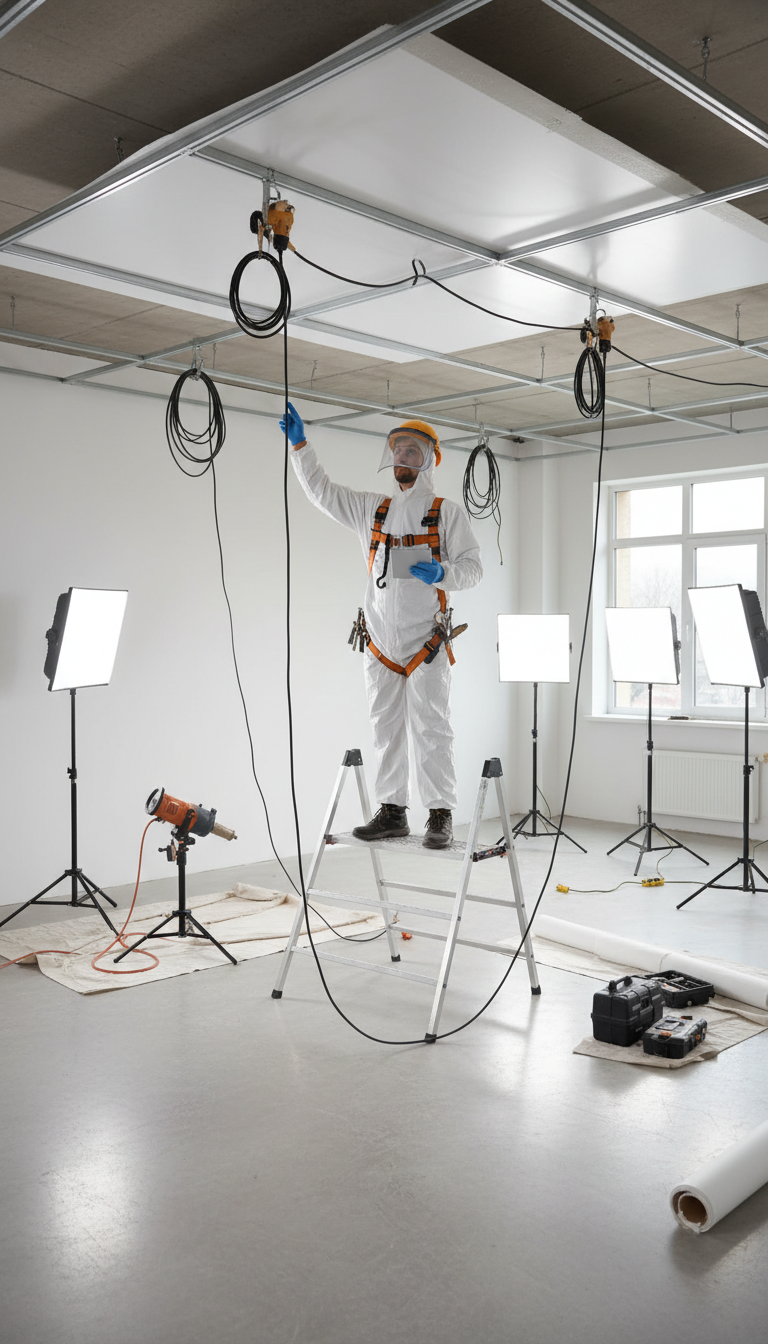
Once a building is waterproofed, regular inspections are critical to maintaining its effectiveness. Inspections help identify potential issues early, allowing for timely repairs. Nova Scotia regulations mandate periodic checks to ensure compliance and to assess the condition of the waterproofing systems.
Maintenance, combined with inspections, plays a key role in extending the lifespan of waterproofing systems. Simple maintenance tasks, such as cleaning gutters and checking for cracks, can prevent major water issues.
Conclusion
Adhering to Nova Scotia’s building regulations for waterproofing is essential for the safety and durability of any structure. By understanding and implementing these guidelines, you can protect your investment and ensure that your building stands the test of time. Whether you are a homeowner or a contractor, staying informed about these regulations will help you make informed decisions and avoid costly mistakes.